Insights for modern HR leaders

Most recognition programs start the same way. Months of planning. Workshops, integrations, communications. A launch event. Usage climbs to 60%, maybe 70% in the first quarter, and everyone celebrates. Mission accomplished.
And then, quietly, things begin to drift.
Recognitions that were thoughtful and specific in month one become generic "great job" posts by month six. Participation plateaus. Leadership starts to wonder whether the investment is paying off.
But here's what the data shows: the plateau isn't inevitable. It's a choice, specifically, the choice to treat recognition as a finished project rather than a living strategy.
After working with hundreds of organizations across industries, a clear pattern emerges among the programs that truly transform workplace culture: they never stop evolving.

Beyond go-live: What makes recognition programs transformative
Your recognition program launched successfully. Now what? Learn how leading companies turn recognition data into retention signals, manager coaching, and culture diagnostics.
Most executives focus on processes, metrics, and systems, but overlook a foundational question: “What do you want people to feel?” Rhency Padilla, who has designed employee experiences across global industries, argues that the quality of work is directly tied to how valued people feel. And that sense of value is shaped far beyond surface-level perks, it’s about intentional experience design, cultural understanding, and leadership that prioritizes human emotion as much as operational excellence.
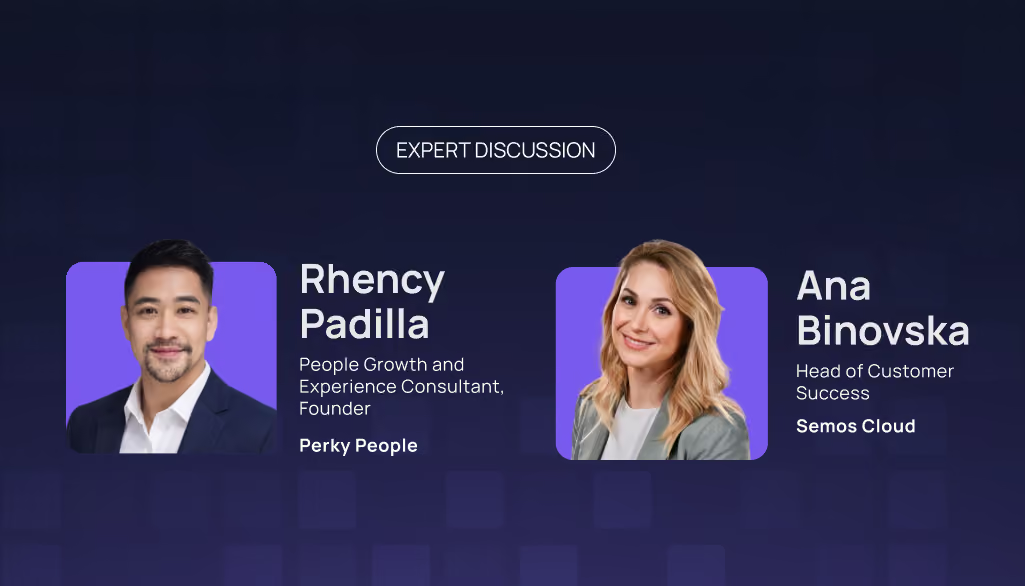
Designing great workplaces with Perky People Founder Rhency Padilla
What makes employees truly feel valued? Rhency Padilla shares lessons from designing workplace experiences across organizations with 83 nationalities and achieving Great Place to Work success.


Pay Transparency in Energy: From Compliance Obligation to Strategic Advantage
Why pay transparency is a board-level risk for energy companies, and how to turn compliance into strategic advantage.

Leading Smarter: How AI Enhances Leadership Without Replacing Managers
How AI can augment managers' capabilities to help them lead more effectively, without replacing the human element.