Insights for modern HR leaders
Three days. Twenty-plus sessions. Dozens of analyst conversations. The HR profession showed up to Orlando at the end of October 2026, and for the first time in three years, the AI conversation sounded different.
The automation argument is over. What Gartner's analysts, named practitioners, and HR leaders argued about this year was what to do with the capacity that AI creates. Across every room that mattered, the operating word was intelligence. Decision intelligence. Skills intelligence. Recognition intelligence. Manager intelligence.
What was the real takeaway from Gartner HR Symposium 2026? Across analyst sessions and practitioner cases, the recurring message was that productivity gains alone no longer add up. HR's next competitive layer is decision intelligence, the ability to turn workforce signals into skills decisions, recognition decisions, and manager decisions. Automation has become table stakes. Intelligence is the new frontier.
Semos Cloud attended Gartner HR Symposium 2026 at the Walt Disney World Dolphin in Orlando, sat in on analyst sessions with Eser Rizaoglu, Ranadeep Chandra, Kayla Velnosky, Joe Coyle, Jessie Knight, and Rachael Dix, and spoke with Deloitte's Kyle Forrest on the floor. This piece is a recap for HR leaders who could not attend, and a pulse check for the ones who did.
Here is what you'll find below:
- The three themes that cut through every session
- Where Gartner's analysts are pointing in 2027
- The practitioners: what deployed AI in HR actually looks like
- The Semos read: what Orlando means for the PCI layer
- Five moves to run Monday morning

Gartner HR symposium 2026 recap: Why decision intelligence is the new frontier for HR
Gartner HR Symposium Orlando 2026 recap: why decision intelligence is HR's next frontier, Kayla Velnosky's 12-to-43 recognition stat, and the vendor filter that works.

- Around 200 SAP agents are generally available today, but SAP itself says the scoreboard is business outcomes, not agent counts.
- No expert we spoke with dismissed a claim as pure myth. The debate is about speed, scope and accountability, not direction.
- Governance was the one unanimous reality. 42% of SAP Connect's virtual audience named trust and governance the biggest barrier to AI agents.
- Context beats the model. Connected people data is the clearest marker of HR tech maturity, and most organizations still keep recognition, listening and feedback apart from the HCM.
- Autonomy is earned process by process. Decisions about pay, careers and standing at work stay with a person.
- Managers are where AI turns into employee impact, when they get timely context instead of another dashboard.

Myth or reality? 8 HR tech experts on what autonomous HR means for your team
SAP put autonomous HR on the main stage. We asked 8 HR tech experts what is myth and what is reality. Key findings and next steps for HR leaders.
- An approved budget amount is only the starting point. How you split and govern it decides whether managers actually use it.
- Separate two choices: where the budget sits (a shared pool, employee budgets or manager budgets) and when it's deducted (the moment an award is sent, or once it's approved). They can be combined.
- Size manager budgets to the team, for example by calculating them from each manager's direct reports.
- Agree on the basic rules up front, including how often the budget refills and what happens when it runs out.
- Match approval steps to the value of the award, not to the seniority of the person giving it.
How to structure an employee recognition budget
A total isn't a budget. Learn how to choose a funding model, set limits and define approval thresholds for your employee recognition program.
- Recognition is proven to improve retention and engagement, which makes it one of the easiest HR programs to justify to Finance.
- Those results come from high-quality recognition, and that needs a planned budget, not leftover spend.
- A dedicated budget line makes recognition visible, fair across teams and harder to cut.
- Start from a benchmark for your company size, not last year's number.
- Decide the funding model, approval rules and regional approach before you set the total.
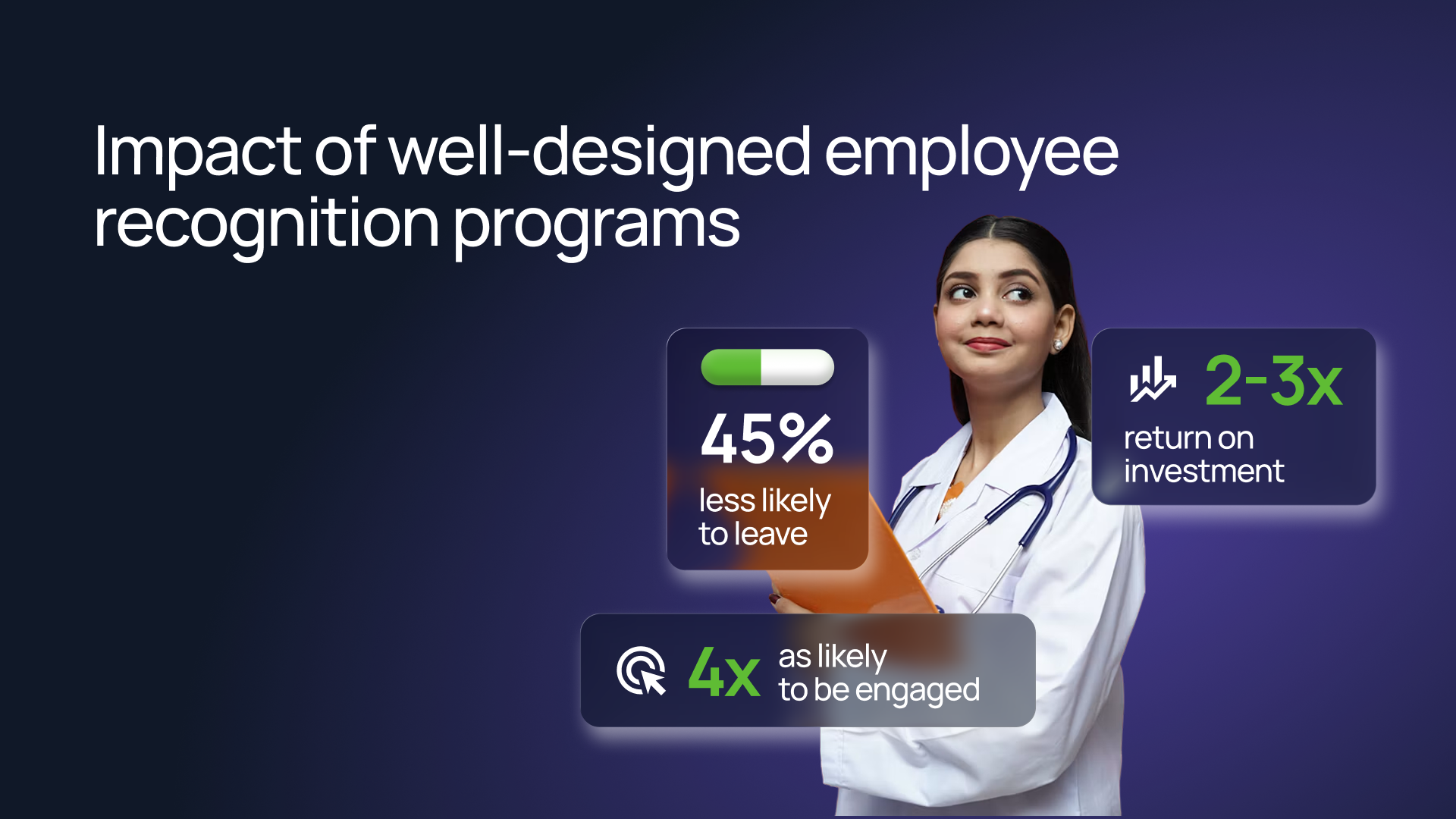
Why you should budget for employee recognition in 2027
Planning your 2027 HR budget? Learn why employee recognition needs its own line item and what to decide before you set the number.
- Not every negative signal calls for an HR intervention. Knowing where to step in, and where not to, protects limited HR capacity.
- Connecting survey, comment, recognition, manager and communication signals helps HR find the likely cause of a concern before choosing a response.
- Closing the loop means giving each action a clear owner, keeping human approval on anything sensitive, and returning to the data to see what changed.
From people risk to measurable action
See how Semos IQ helps HR decide where to intervene, choose an action with clear ownership, and check whether the indicators moved afterward.
- SAP put business outcomes at the center of Autonomous HCM: accurate payroll, faster hiring and timely employee support, supported by connected workflows and human oversight.
- Semos Cloud’s AI agents are now available in SAP Discovery Center’s partner AI catalog, covering recognition, development, listening, people insights and total rewards.
- SAP’s Autonomous HCM direction puts work redesign and employee development alongside automation. HR needs a plan for the capacity AI creates.
- Useful enterprise AI depends on business context, connected workflows and clear responsibility for decisions.
- Deloitte’s Recognition Hub, built with Semos Cloud on SAP Business AI Platform, brings recognition to more than 200,000 professionals.
- HR teams should evaluate AI through completed workflows, manager follow-through and employee outcomes.
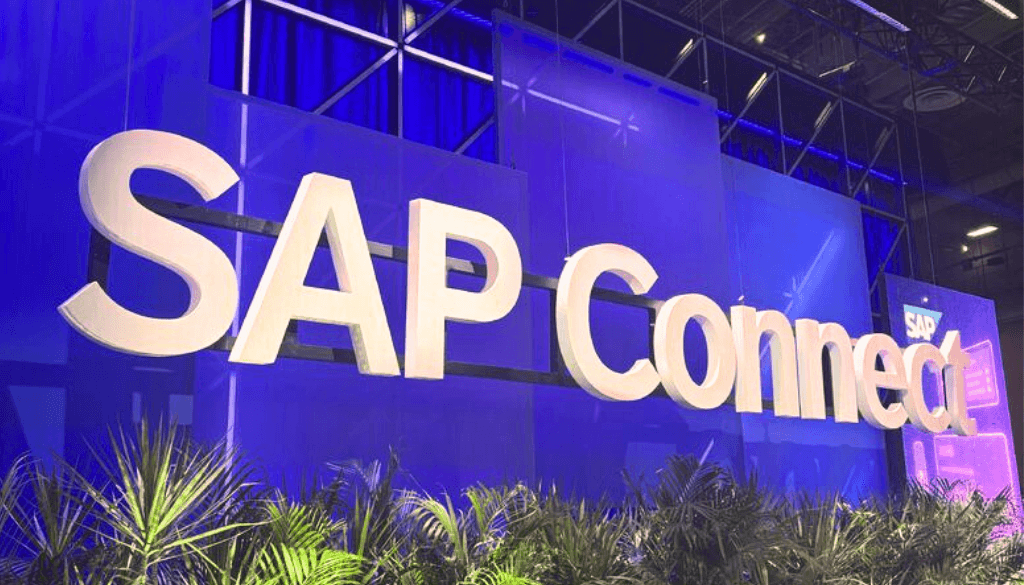
Inside SAP Connect 2026: AI innovation and the business outcomes behind it
Explore SAP Connect 2026’s focus on AI and business outcomes, with keynote insights, Semos Cloud’s AI agents and Deloitte’s recognition journey.
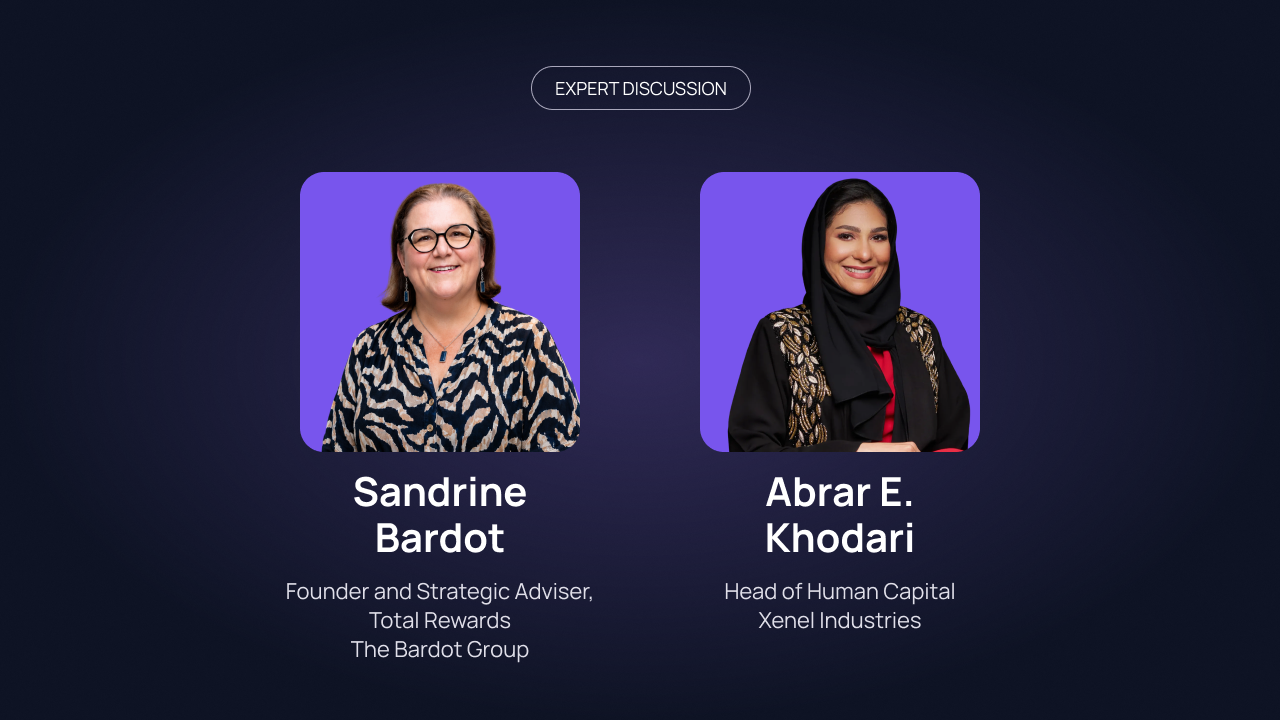
- Recognition is one of the most underused people signals in the enterprise. Most companies run a program, but few know what happens to the data.
- Deloitte worked with Semos Cloud to bring recognition for 200,000 professionals into one Recognition Hub.
- Every award is governed in SAP Business Data Cloud next to SuccessFactors and S/4HANA data, so recognition can be analyzed against tenure and retention.
- Design for the person giving recognition. If nominating is slow, recognition never happens.
- Plan for the unglamorous parts of rollout: data testing, invoicing, support and timeline.
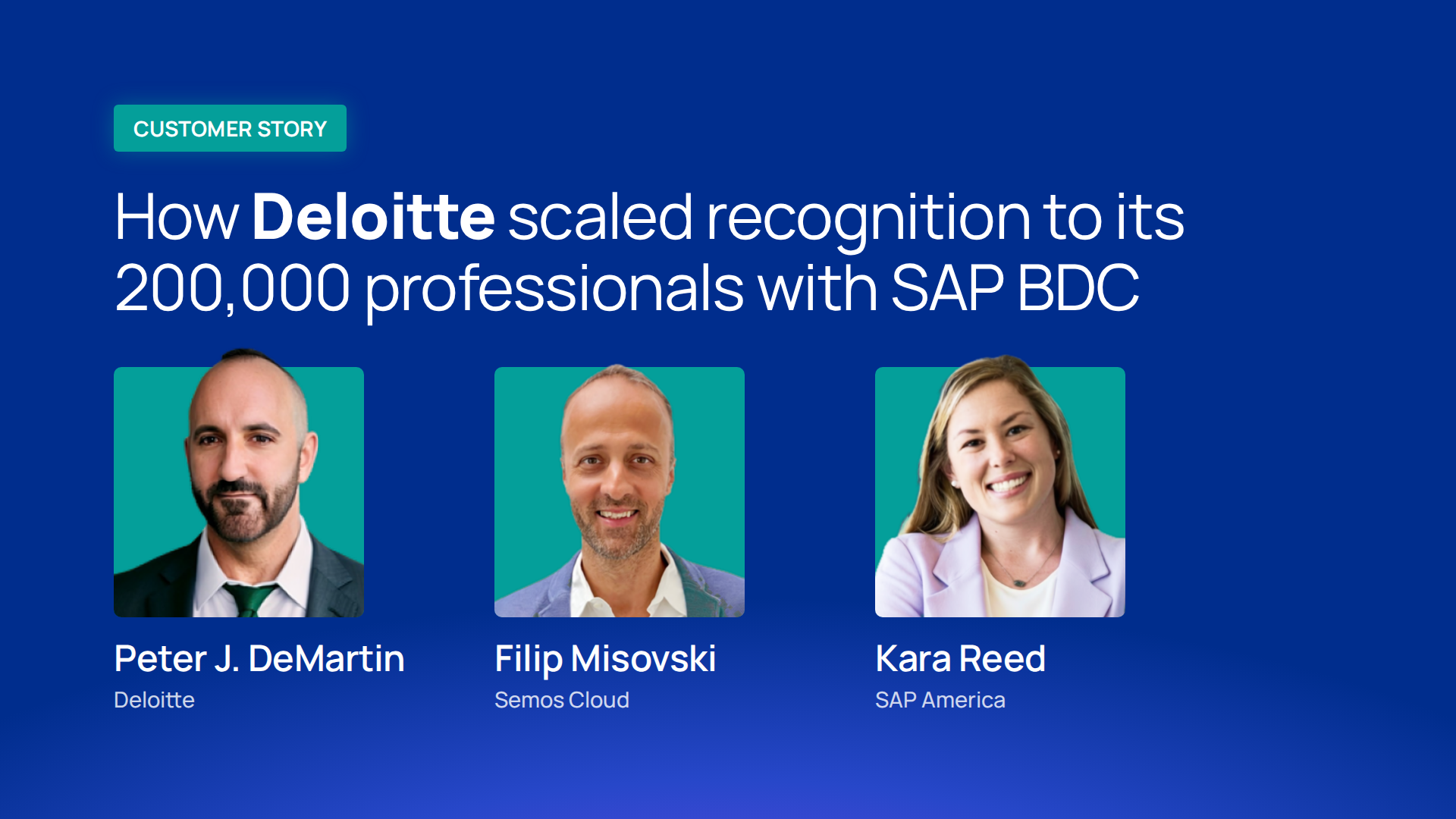
Scaling recognition to 200,000 people: lessons from Deloitte and Semos Cloud at SAP Connect 2026
Most companies run a recognition program. Few know what happens to the data. Takeaways from the SAP Connect 2026 session with Deloitte, Semos Cloud and SAP on treating recognition as governed people data.
- Manager enablement needs to carry through into everyday decisions and conversations.
- Recognizing a problem is only the beginning; managers also need practical guidance on how to respond.
- The value of manager-focused AI should be measured through its contribution to engagement, retention, and better people management.
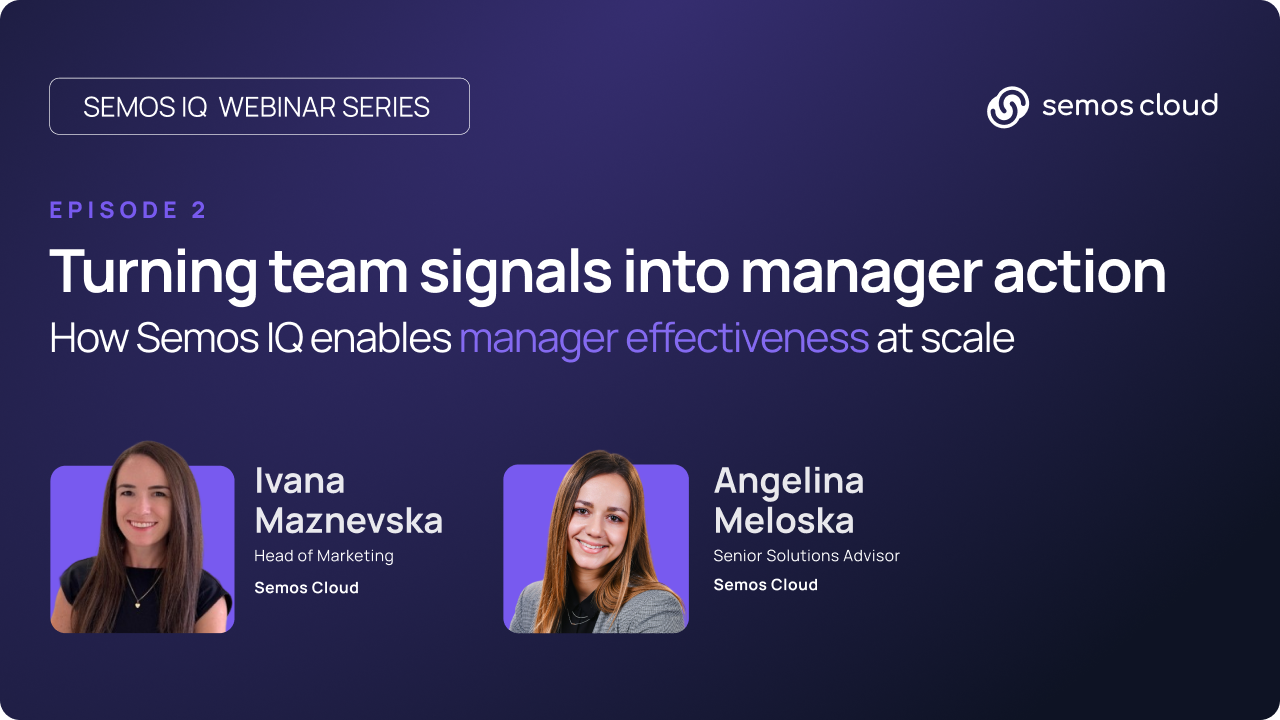
Turning team signals into manager action
Explore how Semos IQ connects people signals to practical manager support, helping HR work toward stronger engagement, retention, and manager effectiveness.
- Europe adopts employee recognition when it feels relevant and appropriate, not just exciting.
- Build GDPR, works council requirements, and award tax rules into the employee recognition program from the start.
- Use two different behavioral models on one employee recognition program instead of treating Europe as one market.
- Report by cultural cluster, with unique sender rate as a key measure.
- Use European hubs to connect employee recognition across countries and regions.
Employee recognition in Europe: built on legitimacy, not enthusiasm
Explore employee recognition in Europe: how GDPR, works councils, and cultural differences shape adoption, with guidance for global HR leaders.
Building a successful global recognition program means looking at the full picture: recognition volume, who is participating, the balance between manager and peer recognition, access for frontline employees, and how recognition behaviors vary across cultures and markets. Keeping these factors in mind helps HR build a program that can scale while still fitting the needs of different employee groups and local contexts.
Employee recognition in the Americas: volume vs. participation
Explore employee recognition in the Americas through award volume and sender participation, with guidance on interpreting program data.